Phonic sounds guide is a modern and improved way of teaching kids to pronounce English words. We all know that the English language holds great importance. As a parent, we want our kids to be able to speak English fluently. It will help them overcome the communication barrier anywhere they go in the world. However, learning English is not as easy as you think. Sometimes, children find it confusing to pronounce the words because it is entirely different from their native language. For them, it’s like stepping into a whole new world. It is good if they take small steps while learning to speak English.
Teachers, therefore, prefer phonic sounds for teaching kids to understand and learn the sounds of letters and words. Phonics is something every parent who has kids in the early years of primary school should know about.
Teachers, therefore, prefer phonic sounds for teaching kids to understand and learn the sounds of letters and words. Phonics is something every parent who has kids in the early years of primary school should know about.
What is the phonic sounds guide?
Phonic sound is a way kids quickly learn to read words. It consists of English sounds. It is a sound produced by a letter that is slightly different from the sound of its name. For example, the sound of ‘O’ in words; “to” or in “expression.” There are around 44 phonic sounds; whoosh, every teacher and parent should know how to teach the kids.
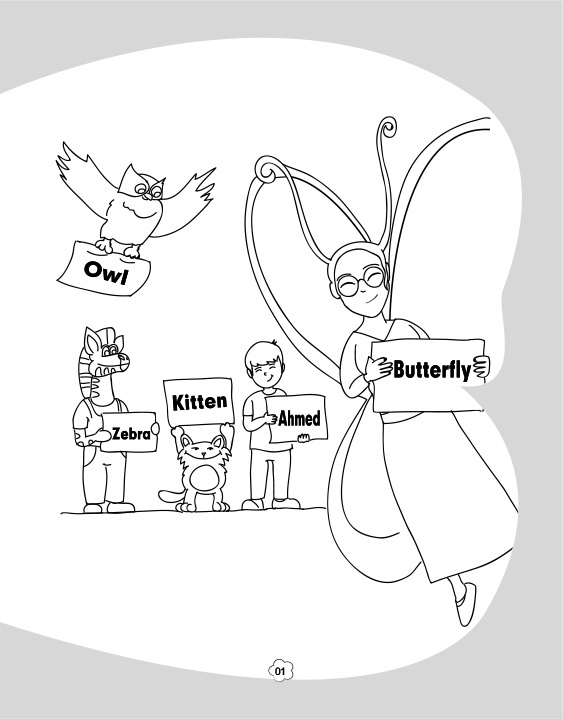
Methods of Teaching:
Teachers use three prime methods for teaching Phonic Sound. These methods are:
1- Alphabetical Method
A method in which teachers directly show letter names and their shapes to children. In this method, children first learn the capital letter—for example, A-Apple, B-Boy. However, since this method did not lead to skill development and lacked a logical sequence, children found it difficult to understand.
2- Phonetic Method
It is a method in which children learn letters with the help of its sound. Many teachers also call this method’ decoding’. This method is not mere memorization but the development of the skills for the children to read and write.
3- Photo Memory
Photo memory is the method in which children memorize by capturing an object, person, and scene in Memory as it is. Nature has blessed children with photo memory. Children at the age of around 7 have photo memory. However, this Memory of children fades away slowly.
Benefits of Phonic Sounds Guide
Teaching phonic sounds to children holds great benefits. Some of the following advantages are:
- Phonic sound helps children learn the sound of letters.
- Phonics also helps children identify the letter’s sound during the reading of the connected text. Phonics also teaches children to relate letters and sounds.
- It also makes children able to break spoken words into sounds.
- Children also learn how to mix the sounds of the letters to form words.
- Phonics helps the children in the process of converting letters into sounds.
- Subsequently, children learn to turn these sounds into recognizable words with the help of phonics.
- Phonics teaches children important sound linkages for letters and a group of letters called phonemes.
- In the end, children become able to identify the sounds in a new word and cluster them together successfully.
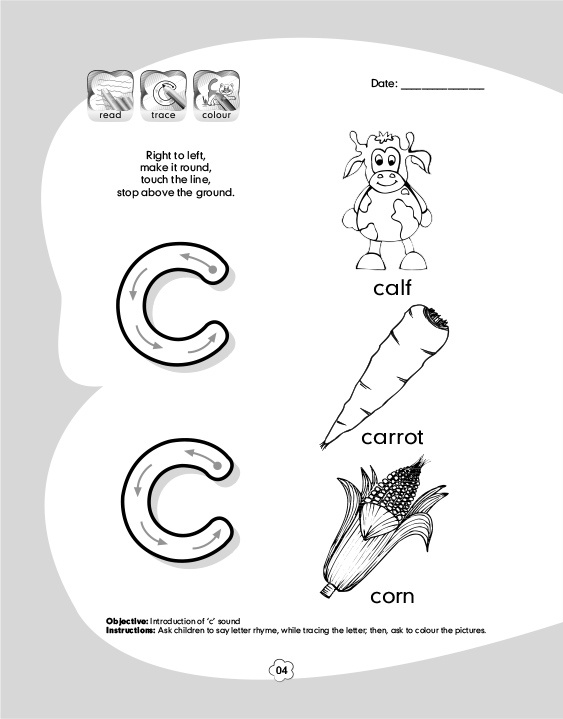
How to easily teach kids phonic sounds?
Sometimes, it can be arduous to find out the best way to teach your child reading, especially in their early days of learning. Parents and teachers also find it difficult to teach kids because teaching techniques and methods have changed quite a lot. Now kids learn through many new strategies that are proven to be more fruitful. One of these ways is phonic sound.
If you want your kids to build their reading skills while having fun, then try out the given below tips:
For Nursery:
In nursery and pre-primary classes, teachers help kids to listen to phonic sounds more than reading because they are so your, and they need good listening skills to become successful readers in the future.
Children listen to poems, songs, nursery rhymes to learn lots of sounds, and after some time, they get used to hearing and start repeating them. At this level, children:
- Listening to sounds and copying the sounds. For example, they listen to a dog making barking.
- Try to use their bodies and voices to copy sounds.
- Listen and spot the rhyming words in a nursery rhyme.
- Listening to stories and trying to recall every character, its name, and its sounds.
For Primary:
First, always keep the aim of phonics in your mind, and that is to make your kids read as quickly and easily as possible; therefore, let them read whatever book they want. It does not always have to be a school’s textbook. It can also be a storybook. Now, we can move further, always try to:
- Keep phonics teaching sessions short because the long session will be too boring, and you don’t want to end the kid’s interests out of boredom. It’s good if you keep it ten-minute long.
- Make the session as interesting and fun as possible. You can play so many phonics games together.
- Choose the time for the session when your child is energetic and not sleepy or tired.
- Try to carry out sessions at a quiet place so that they can focus and make the most out of the time.
- Kids love to listen to stories; therefore, try to make them read high-quality storybooks that have phonic sounds highlighted in them. You can ask children to repeat a concept without drilling with the help of stories and rhymes.
Every parent and teacher can use these tips to help teach their kids the phonic sound. Especially during the lockdown, children spend so much time at home; parents can utilise this time in teaching phonic sounds to their kids. There are many helpful videos available on the internet that can teach children to be able to hear a word and then identify the first sound they hear. For example, if they hear the word “Mango,” then the children should be able to repeat the first sound of the letter “M.”
Conclusion:
Children should develop the necessary skills during the early three years of pre-primary education. Therefore, parents and teachers should try to focus on the children’s education of this age frame. With the help of stories and rhymes, teaching phonic sounds to kids becomes much easier and simple. Hence, try to use such fun activities while teaching phonic sounds.
How useful was this post?
Click on a star to rate it!
Average rating 3.8 / 5. Vote count: 4
No votes so far! Be the first to rate this post.