Unprofessional developed or poorly implemented, which describes the process of curriculum development in Pakistan more appropriately? That question remains unanswered even after 70 years of our formation as a nation.
There’s good news and bad news about the processes of curriculum development in Pakistan. First the bad news: There are many problems. And the good news? One issue has overshadowed every other situation. Therefore, at least for now, we need not worry about the rest of the problems. Hence, we need to find our way out of this one mother of all issues.
Is curriculum development a federal responsibility or each province is responsible for forging such a document? Unfortunately, in a politically divided country like ours, the answer depends on one’s political affiliation.
The one who believes that a country is a unity will tell you that it’s the federal government’s responsibility. On the other hand, those who consider provinces to be independent units of the federation will think it to be their sovereign right guaranteed by the 18th amendment.
Based on the 18th amendment, the recent Single National Curriculum document was utterly rejected by the Sindh province, and Azad Kashmir and Balochistan half-heartedly accepted it.
Hence, Single National Curriculum is implemented in only two provinces, and yes, you guessed them right!
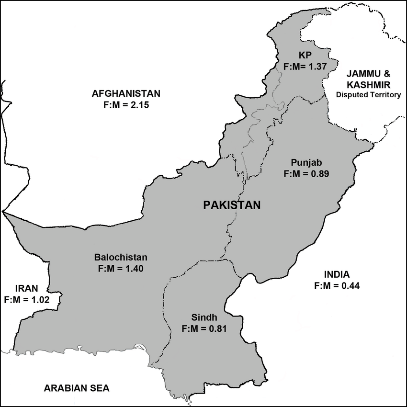
I had an opportunity to listen to the political leadership of one of the provinces, where they had all-out rejected SNC more than once. Trust me; they have a solid argument to show that SNC is nothing more than an uncalled-for intervention by the federal government in local matters, which can cause a drift in national cohesion.
But let’s assume for a minute that curriculum development is indeed a federal responsibility, and there is no problem about provinces claiming it to be their domain. Then what are the issues with our process of curriculum development in Pakistan?
I don’t take any pleasure in claiming that I witnessed the creation of three curriculum documents under three previous administrations. Why don’t I take any pleasure?
Because all three times, the document was unprofessionally developed and poorly implemented.
This blog focuses on the development part of the document and even that of the present one.
1. Curriculum needs a think tank

The curriculum development process in Pakistan, or for that matter in any other country, requires inputs from a large pool of intellectuals. These intellectuals come from universities and the business arena.
They tell us which way society and industry are heading. They form the vision to prepare students, not today but 20 years from now.
Easier said than done, considering that 80 per cent of the future jobs don’t even exist right now!
I know, I know, some of the readers will be annoyed at this stage by what I have said. “The government created a pool of 300 plus intellectuals for this purpose,” they would claim.
Unfortunately, most of the experts never gave any input. Many didn’t even know that their name was on the list. They found out about it long after it was all done.
2. Curriculum has to be diverse for a diverse country like ours
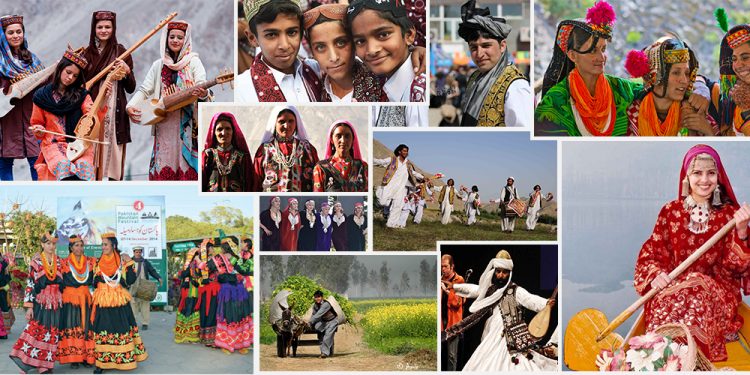
The curriculum for us has to be a comprehensive document, covering the needs of a country where half the population still lives in rural areas, 55% is under the poverty line, and 60% of the primary school-going children are enrolled in a private school.
EAST team managed learning needs for over 1500 schools and literacy centers across Pakistan. With this background, we have gone through SNC numerous times. The SNC does not address the economic and socio diversity of Pakistan.
There are still many more reasons that make this SNC unprofessionally developed and poorly implemented, but there is no point taking up the rest of the issue. Why?
Because our new head of the curriculum council has rejected the existing document and vowed to create a more meaningful record in the coming weeks and months. Hopefully, this time process of curriculum development in Pakistan will be done more thoroughly.
Unfortunately, with this new document which will come on the horizon in 2020, the books developed on the existing standards will go down the drain.
Finally, the shape of the coming SNC, also called Core plus document, as per the head of curriculum council, will be based on Common Core Standards. That’s good news!
If you are interested in finding more about Common Core, you need not go any further than this website, where all the syllabus is already based on Common Core. In other words, the EAST syllabus is already Core Plus!
How useful was this post?
Click on a star to rate it!
Average rating 3.5 / 5. Vote count: 97
No votes so far! Be the first to rate this post.