The children’s moral stories provided in Butterfly and Friends Series have two benefits: One is overt or obvious, whereas the other is covert or not so obvious.
The obvious purpose is to develop language skills: speaking, phonics, reading, etc. The Benefit of children’s moral stories is to develop language skills. The covert objective is to develop children’s emotional intelligence or values.
We are often asked to identify the covert objectives of these stories. So, on popular demand, here are the “not so obvious” objectives of the moral stories given at the end of the Butterfly and Friends Phonemic Rhymes Series:
-at Story
It’s about conflict resolution. Children learn to resolve their differences through dialogue. Children see a gentle and friendlier way of resolving a dispute. At the end of the Story, you can ask children:
1. How did Cat feel when Rat didn’t give her the hat?
2. How did Rat feel when Cat didn’t give him the bat?
3. What could have happened if Butterfly didn’t come in?
4. Why did she pat Rat and Cat?
-am Story
This Story highlights the importance of knowing about the likes and dislikes of family members and friends. This would help children make stronger bondage with others. The Story helps them develop interpersonal skills. Here are some questions that you may ask at the end of the Story:
1. Who’s your best friend?
2. What does your best friend like to eat?
3. Have you told your best friend what you like to eat?
-ap Story
This Story is about problem-solving in a creative manner. Children learn to think before using their bodies when trying to solve a problem. “Force should be the last option, or use headfirst” is the moral of the Story.
1. How many ways did Ahmed try to kill the fly?
2. What would have happened if Butterfly didn’t get the door opened?
3. What else could Ahmed do to get rid of the fly?
-be, -em, e.g., -it Story
There are two covert messages delivered in this Story. The first is about observing. Children should learn to observe patiently and independently. Second, children should learn to respect others’ opinions. The Butterfly finds common ground by giving an answer that includes the answers given by her two friends.
1. How did the spider catch the fly?
2. Why did friends like Butterfly’s answer?
3. What would you like to observe?
4. How do you think a spider catches a fly?
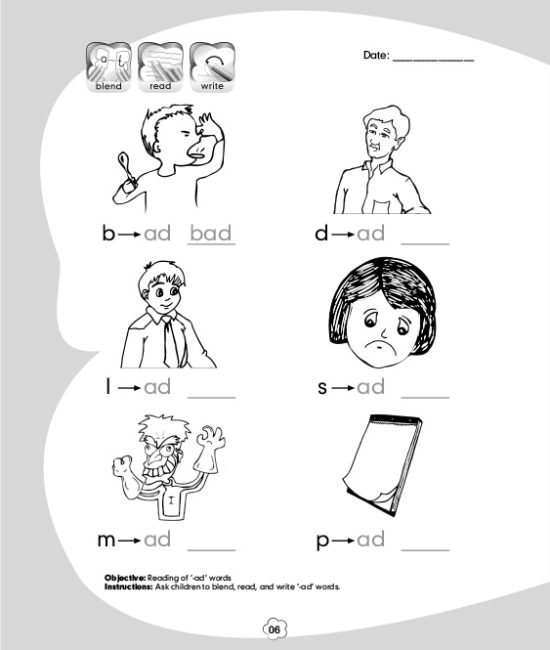
-ad Story
This Story is about understanding others’ feelings. The body and verbal language are a special indicators of the way people feel. It is better to know people’s feelings just by looking at them.
1. “Meow, Meow.” What did Kitten mean to say?
2. Do you think Ahmed understood how Kitten felt?
3. How did Kitten feel? What’s your opinion?
-an Story
Children understand that eating breakfast is important. They also learn to be independent. Conserving energy is another concept highlighted in this story.
1. Why is breakfast important for you?
2. What things can you do without any help? Coloring, writing, wearing shoes, drinking water, etc.
3. What should you do if you are the last one to leave a room?
-ax, -et Story
It is about comforting someone in distress. Empathizing and how it helps soothe someone in difficulty is emphasized in this story.
1. How did Kitten feel?
2. How would you feel if you slipped?
3. What would you say to someone who gets hurt?
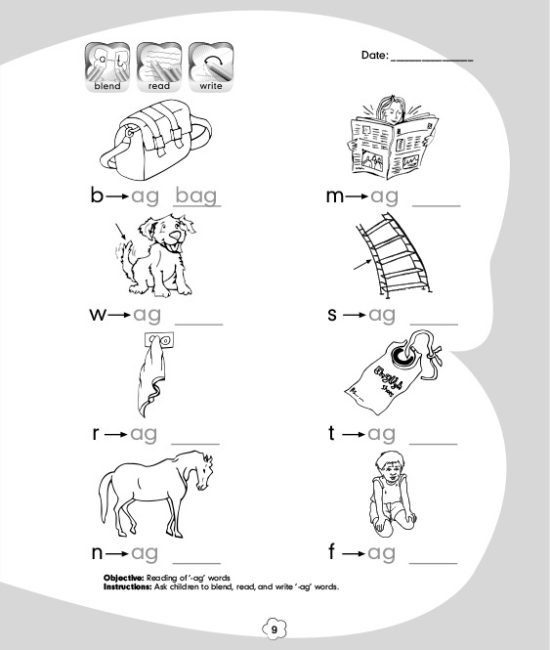
-ag Story
It’s about communicating with others without getting upset or losing patience. It shows the value of explaining your point of view to others, hoping they will eventually understand what you are trying to say.
1. Why couldn’t Kitten understand what Owl was asking for?
2. How many times did the Owl explain to Kitten what he was asking for?
3. How would you explain to Kitten?
-ab, -as Story
Conserving resources is the main theme of this Story. Children should understand that we must conserve resources by turning off the tabs tightly when they are not in use.
1. What did Ahmed do before leaving the lab?
2. What should you do when leaving your house?
3. What would happen if you didn’t turn off the tabs before going out of the house?
-ed, -en Story
This Story highlights the importance of sharing with homeless people. Children should learn to feel the pain of those who are left out in the open in bad weather.
1. Where was the baby bear?
2. Where was the hen?
3. How was the hen feeling outside?
4. How did she feel when she came into the den?
-id, -in Story
This Story is a good example of thinking of a creative idea. It’s also about knowing what friends and family members like to eat.
1. Why did all of Ahmed’s friends come out?
2. Do you think Ahmed is smart? Why?
3. What does your friend like to do?
-ix, -in the Story
Here’s a creative idea for physical development. This type of exercise develops children’s concentration, balance, and gross motor.
1. Do you think you would like to take part in such a race?
2. Why did Zebra win the race?
3. Who do you think was the last to finish the race?
-of Story
Children learn how to treat others in a friendly manner. They realize that forcing your opinion on others is not the only option; as a matter of fact, it’s not an option at all. The Story has a situation where Ahmed uses creative thinking to help his friend overcome a particular fear. Children understand to respect others’ fears and help them overcome their anxieties.
1. Why was Kitten afraid?
2. How Did Ahmed help?
3. What are you afraid of?
-ut, -ag Story
The tradition of visiting friends and giving gifts has been promoted. You can also introduce the idea of giving a gift jointly, as Owl and Zebra do in this Story. It’s also about accepting gifts and saying, “thank you.” Here are some questions you may ask children after telling them this Story.
1. What did Owl and Zebra bring for Ahmed?
2. What did Ahmed get from Butterfly?
3. What do you say to a person who gives you a gift?
-im, -ib Story
The early years are an excellent time to develop good communication skills. Children are capable of acquiring creative inter-personal skills during this period. In this Story, they learn how to make positive suggestions to others. They understand the value of directing a person towards a healthy activity rather than trying to stop the same person from an unhealthy one.
1. What was Tim doing?
2. What did Tim’s mom say to him
3. What did Butterfly tell Tim to do?
-ed, -ox, -of Story
This Story is about problem-solving. Ahmed realizes that the lid of the box is struck and uses a simple machine – the lever – to open it.
1. Who found the box?
2. What did they use to open the box?
3. Why did they use a rod to open the box?
4. What did they find in the box?
-um, -up Story
It’s about singing and enjoying friends’ company. It’s also about taking care of a baby. Children recognize singing as a good activity to relax and to pass free time. They understand that it’s important to look after a child till the time the mother comes to get it.
1. What Butterfly and Zebra were doing?
2. Who was in the tub?
3. What did it look like when the cub tried to hum?
4. Who came to get the cub?
5. How can you take care of a baby?
-iss, -ip Story
This Story is about making presentations by showing others something interesting that you may have. It’s also about understanding others. “More you know about other’s likes and dislikes, the more you know about them” is the message of the Story.
1. Do you have a pet? Or did you ever have a pet?
2. What does it like to eat?
3. What does it like doing?
4. What doesn’t it like doing?
-ob, -op Story
We often forget the service providers around us. They are the people who provide us with essential services. One of such service providers is the policeman. The others are the vendors, who go from street to street selling us things we need and foods we enjoy eating. This Story develops awareness about such people. Children should be able to recognize the service providers around their neighborhood.
1. Who is a policeman?
2. What does Bob do for a living?
3. What kind of things do you see people selling in your neighborhood?
4. Do you know the name of the person who sweeps your neighborhood?
-un, -ud Story
Children can be protected from many diseases if they wash their hands properly. This Story is about hand washing. Children should know the importance of washing their hands before eating.
1. Why didn’t Ahmed give the bun to Kitten?
2. Why washing hands before eating is important?
3. What do you use to wash your hands?
-ch story
It’s all about taking care of your guests. Hospitality is an integral part of our culture. Feeding our guests is a basic element of hospitality. This Story highlights the importance of feeding and caring for a guest.
1. Who comes to your house as a guest?
2. How do you take care of your guest?
3. What does your guest like in your house?
Sh- Story
This Story is about giving and friendship. It’s also about listening to stories attentively, as it increases our concentration and sharpens our ability to understand others.
1. What kind of gift would you like to give to your best friend?
2. Do you know a story?
3. Can you tell us your favorite Story?
The moral stories in Butterfly and friends Phonemic Rhyme Series develop children’s positive personality traits along with phonemic skills. The kind of basic human values incorporated in these stories is very much needed in our society today.
In our next article, we will talk about the values incorporated in the stories given in Butterfly and Friends English and Math Series.
How useful was this post?
Click on a star to rate it!
Average rating 0 / 5. Vote count: 0
No votes so far! Be the first to rate this post.