Did you know that storytelling is one of the oldest teaching and learning methods in the world? And when it comes to children, stories for kids are the only source of inspiration and learning for that particular age group.
Stories For Kids
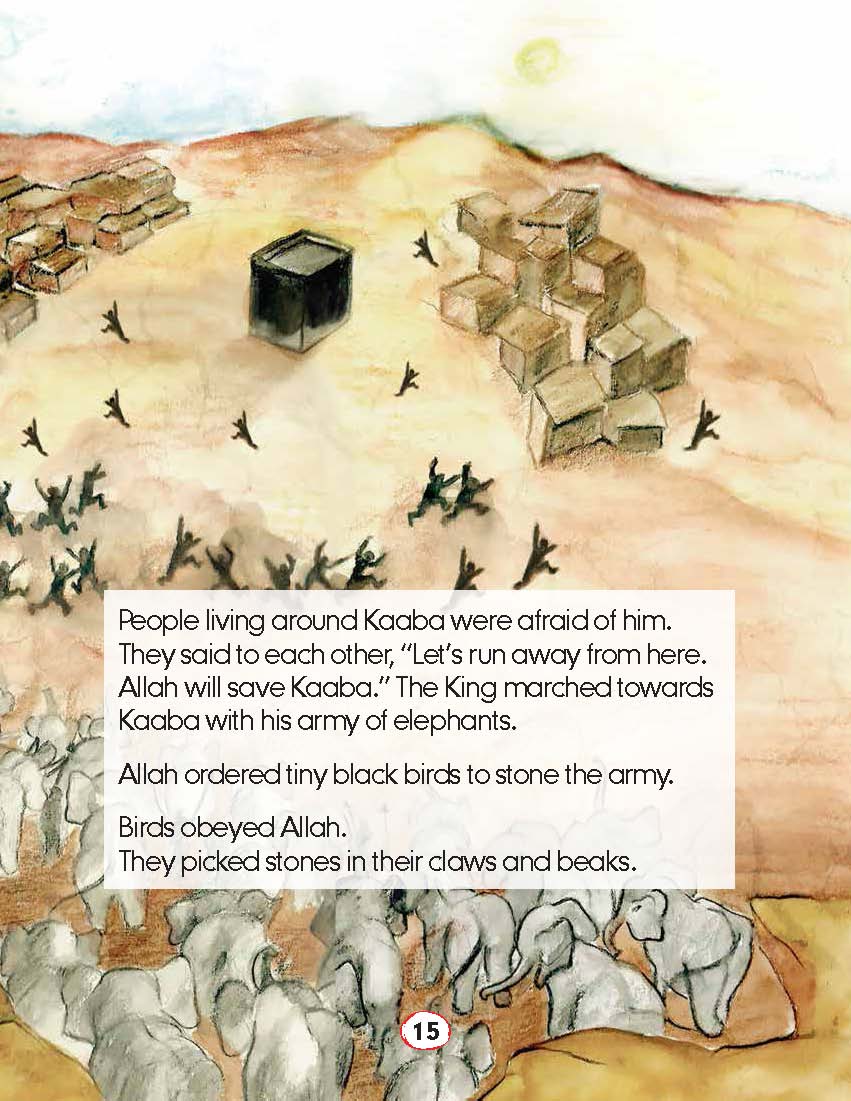
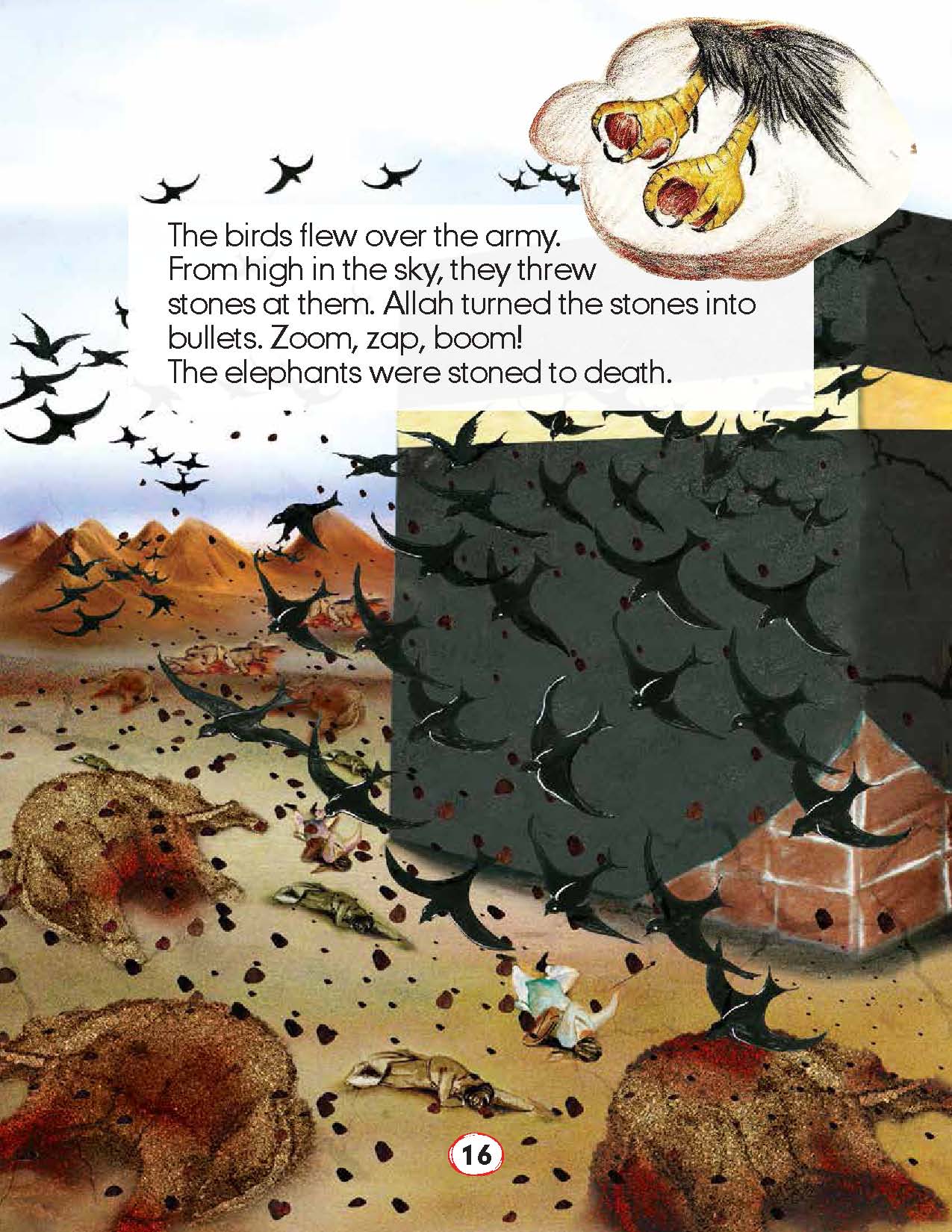
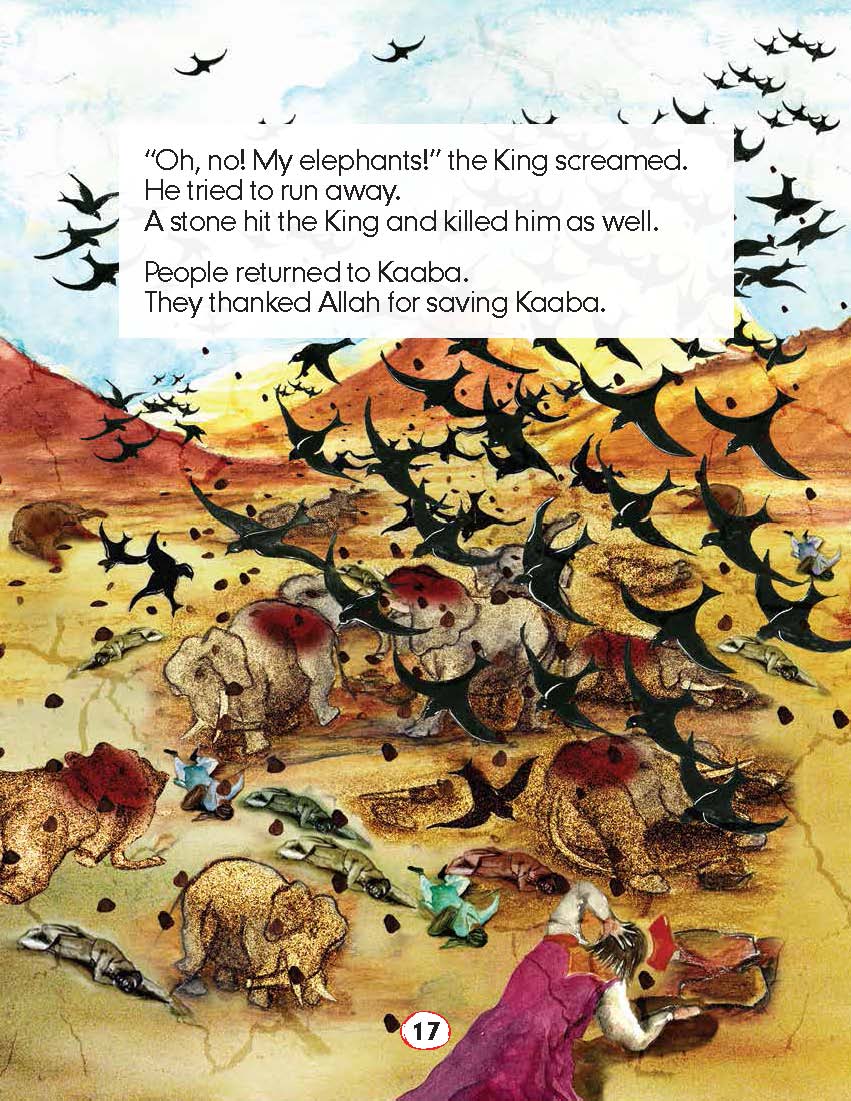
Stories for kids play multiple roles in Early Childhood Education. They develop language as children learn to use words in different and more creative ways. The repeated use of different words in various situations helps children understand different shades of words.
Stories of kids also help children learn phonics. A story helps children pick phonemic awareness along with the right pronunciation of the word they listen to. No wonder children who listen to stories from an early age have a much bigger vocabulary bank with better speaking power at a later age.
Stories also help children learn complex sentence structures. These sentence structures make children more expressive later in their lives. The sentence structures become more complex as children create sentence structures of their own. These sentence structures help them write research papers later in life.
But more than anything else, stories for children are the best tool to make children more creative and imaginative. That one benefit alone is sufficient to allocate more time for stories at home and school.
Why?
In the future, many of the jobs performed by humans will be snatched by either Artificial Intelligence or Robots. The hard labor work will be done by AI or Robots more efficiently at a much faster speed.
Luckily, the machines of the future will be unable to do one thing. Imagine: Only the human brain can be trained to do so. But that requires focusing on imagination from an early age. Stories help us make children more imaginative. That means making children’s future more secure.
Imagination is the foundation of all forms of creativity. More imaginative children are more creative, it’s that simple, and to become more imaginative, they need to listen to more stories.
So what role do stories for kids play in making children more imaginative? We now know that children have a third eye, now called the eye of imagination. But this third eye of imagination does now see outwardly; rather, it listens to what is heard through ears and turns that content into moving images inwardly. Imagine a 3D silver screen inside every child’s brain that converts spoken words into a movie and then plays it on the personal “Brain Theater.”
This personal movie house is used to imagine everything later in life. From a new shoe to the most complex machines, from landscapes to the surface of a planet, this third eye of imagination is able to see everything!
So what should we remember when telling stories for kids?
1. Keep it simple.
2. Stories must relate to children and not to the storyteller.
3. Children love animals, so choose stories with at least one animal.
4. A good story is a blend of narration and dialogues.
5. Adjectives and verbs make a story more lively.
Let’s prepare children for the future by giving them the power of imagination by adding more stories for children into their lives.
For more information, see:
http://raisingchildren.net.au/articles/reading.html
http://www.entelechyjournal.com/coe%20palmer%20aiken%20cassidy.html
https://www.edutopia.org/blog/storytelling-in-the-classroom-matters-matthew-friday
http://www.momjunction.com/articles/benefits-story-telling-yor-kids_0036903/#gref
How useful was this post?
Click on a star to rate it!
Average rating 3.4 / 5. Vote count: 8
No votes so far! Be the first to rate this post.