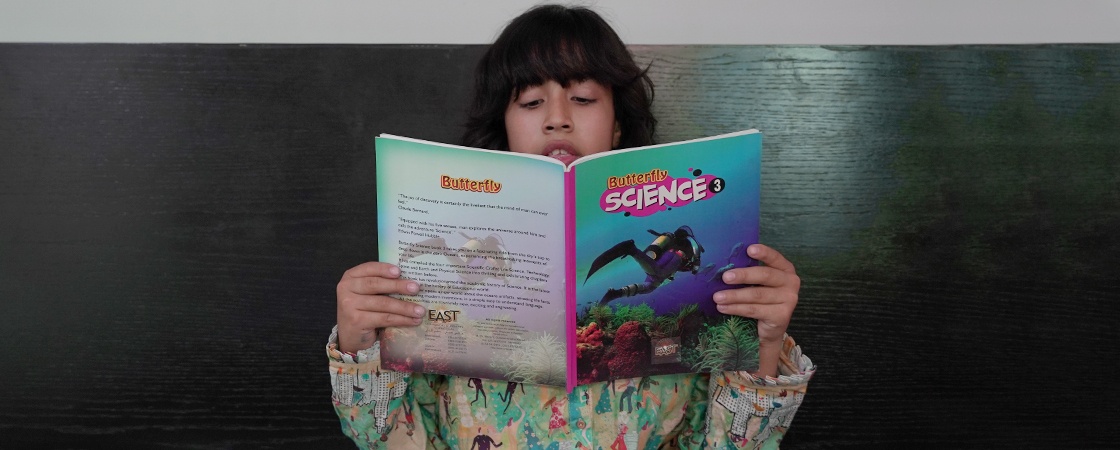
Here are some interesting science project ideas you can use to help children conduct research at the primary level. Most of the materials required to conduct these researches are available in your surroundings. These topics cover all areas of science (life sciences, earth and space sciences, physical science, project ideas). They also help children think scientifically. These topics are from Butterfly class one to five syllabus.
- Unique differences between living and non-living things.
- Some interesting ways in which plants are similar to humans.
- How plants resemble animals.
- Do plants also sleep?
- How we notice that things are growing (humans, animals, plants).
- What happens when plants don’t get: food, water, sunlight?
- How different types of birds are different from each other.
- How animals are different from each other.
- How the foods of different animals and birds are different from each other.
- What is the difference between the droppings and stools of various animals and birds?
- Where do different animals and plants love to live?
- How can we know that the wind is blowing?
- What have you seen the wind blow?
- List the things that you have seen the wind blow away.
- Display of thermometers: How do they work?
- Display of types of clothes we wear in different weather conditions.
- What parts of the body are more important to protect in the rain, winter, summer.
- Different types of bulbs: how much light they give.
- Different types of batteries.
- Different types of flashlights.
- Things that are easy to charge and difficult to charge.
- Electrical appliances we need in the morning, night, winter, summer.
- Types of plugs.
- Types of sockets.
- Types of electrical extensions.
- Types of containers used to store liquids that are: edible, non-edibles.
- Types of containers used to store solids that are: edible, non-edibles.
- What are some of the features of various types of containers: materials, life, decompose, age, strength, seal, etc.
- Various types of solids, which are easy to change into liquids.
- Various types of liquids, which are easy to change into solids.
- Things that contain gases.
- Display of gases.
- Various kinds of wheels.
- Motors.
- Engines.
- Motors that move with electricity.
- Motors that move with petrol.
- Machines, horns, and musical instruments produce various sounds.
- It sounds that can be produced by beating, scratching, etc.
- Devices that produce light.
- Create a new: Hair oil, skin lotion, detergent, disinfectant, perfume, drink.
- Show the ability to hold water for clay, sand, mud, cloth.
- Present some natural foods and their benefits.
- Display a plant of some value that you have grown and describe its benefits.
- Present some junk food and explain the damages it can cause. Use pictures to make your point.
- Present some common allopathic and herbal medicines and their benefits.
- Display of tools used by different professions: plumber, mason, electrician.
- Display of instruments and devices used by different professionals: Computer hardware, surgeons, scientists.
- Packaged foods: Ingredients, nutrition value, expiry dates, seals.
- Quality of water: What pollutes water, what polluted water looks like, what are the damages of polluted water, some ways to clean polluted water.